From manuscript to monograph: a step-by-step narrative following one book from proposal to publication – by Rachael Harkes
In this series of blog posts, recent UoL Press authors share their own publishing experiences and words of advice and support for new authors, and reflect on the importance of open access publishing for researchers.
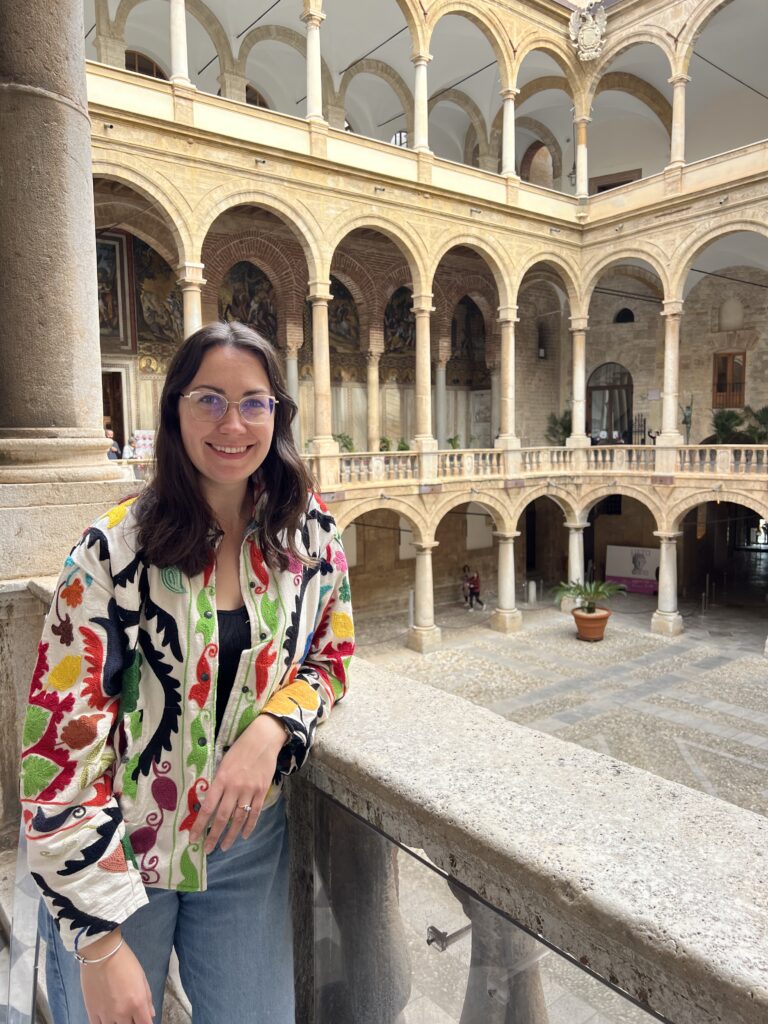
Rachael Harkes is currently a Postdoctoral Senior Research Associate at the University of Bristol on the ERC Advanced Grant/UKRI project ‘Mapping the Medieval March: Wales and England, c. 1282–1550’. Her book, Forging Fraternity in Late Medieval Society, is part of the Open Access New Historical Perspectives series.
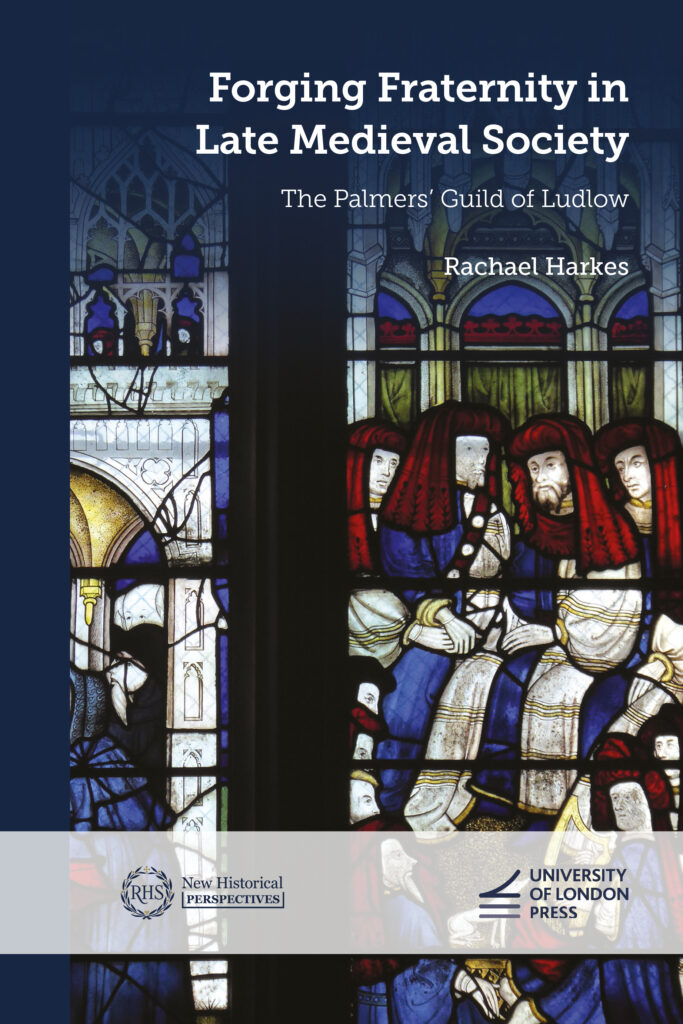
I began thinking about Forging Fraternity (at that point untitled) 18 months after submitting my PhD thesis: long enough to take some much-needed space away to gain perspective, but still fresh enough to allow me to slip back into the research with ease. After taking a further few months to think about the shape of the book, and reflecting on how I had changed as a scholar since I’d written the thesis – as that would influence the type of book I wanted to write – I began to articulate my ideas into the shape of a proposal. New Historical Perspectives (NHP) is a good series for first time authors, for many reasons, but especially due to their approachability and transparency. This begins with a proposal form that tells you exactly what to submit (not a guarantee with other publishers!). After receiving some informal feedback on my proposal from colleagues, I sent off my proposal and sample chapter to Emma – the stalwart publisher at the Press – and kept my fingers crossed.
After some period of time – time is elusive, and my memory of how long it took is hazy – I received a positive response from the series editors. The editorial board had reviewed my proposal and chapter, sent it out for peer review, and agreed that Forging Fraternity in Late Medieval Society should be published in the NHP series. I was invited to provide a response to the peer review reports, which I took as an opportunity to thoughtfully engage with any concerns raised, respond to those that I did not think were applicable, or possible, for the book I had in mind, and show my willingness to be pushed, and in turn grow, from the peer review process. After signing a contract, I set off with enthusiasm to write the book!
But…as anyone who has written a book knows, it rarely goes according to plan. The deadline I agreed to in the contract was looming and I didn’t have as polished a manuscript as I wanted. So – and I cannot stress this enough for future contributors to NHP – contact your editor(s) in advance if you don’t think that you will make it! One of the biggest lessons in writing your first monograph is realising that although it feels as though you are doing it on your own, there are a team of people around you (to help you get it across the finish line) but that means there is a knock-on effect, so publishers like to know when they need to tweak their publication schedules. But Emma and the team at UoLP were understanding and helped to find a new deadline that worked for everyone.
The manuscript finally submitted (and a glass of bubbly in the sun to celebrate!), it was sent out for peer review. A few months later, I was in a (virtual) room with one of the series editors and an external peer reviewer. For me, this was the highlight of publishing with NHP: it is such a privilege to have several hours of uninterrupted time with experts, who are there to offer advice and suggestions for changes. Designed to be supportive but rigorous, the participants go through your book in detail, offering their feedback on the content, structure, and quality of scholarship. It is all of the normal elements of peer review, but with an opportunity to have a two-way conversation, ask follow-up questions, and bounce ideas around. I found it to be a very helpful process and I am grateful that I was able to receive feedback before the book was printed and put out into the world.
Feeling renewed and invigorated, I undertook some re-writing, did some extra research, and incorporated the peer review feedback before sending the final draft to Emma and the series editors. As is always the way, doing a close reading of the manuscript to ensure that you have followed the style guide is a lengthy and time consuming process: I can only encourage future authors to build extra time in to their planning to make sure you aren’t doing it in a rush. Along with the full manuscript, I also sent final resolution images (with permissions and reproduction rights acquired): some institutions require a copy of your book in return so, in my case, I set a reminder to myself to send Forging Fraternity to Shropshire Archives, who kindly allowed me to reproduce images from their collection.
Now on the homeward stretch, a marked-up version was emailed to me, with queries and corrections made by the copy-editor. After reviewing and responding to them, I received proofs. It is at this stage that the index is made (I was fortunate to receiving funding to pay a professional indexer), and the final checks are made. Everyone will have different approaches to reviewing proofs but I chose to spread my checks over several weeks, to ensure that I didn’t become fatigued. It can be tempting to rush, as this is the last thing standing between you and the book being published, but it is the last chance to catch any mistakes!
With baited breath, I waited for the publication date of Forging Fraternity and prepared to celebrate! Since the book is Open Access, it has drawn a wide readership – both academic or otherwise – which has led to series of invitations from local history societies across the Welsh Marches. While I’ve been speaking to these societies, I have found that several audience members have already read the book (or parts of it!), because it is Open Access. It is clearly a helpful way for non-academic readers to be able to engage with historical research in an accessible manner.
Explore the New Historical Perspectives series
Read, download or puchase Rachael’s book, Forging Fraternity in Late Medieval Society: The Palmers’ Guild of Ludlow