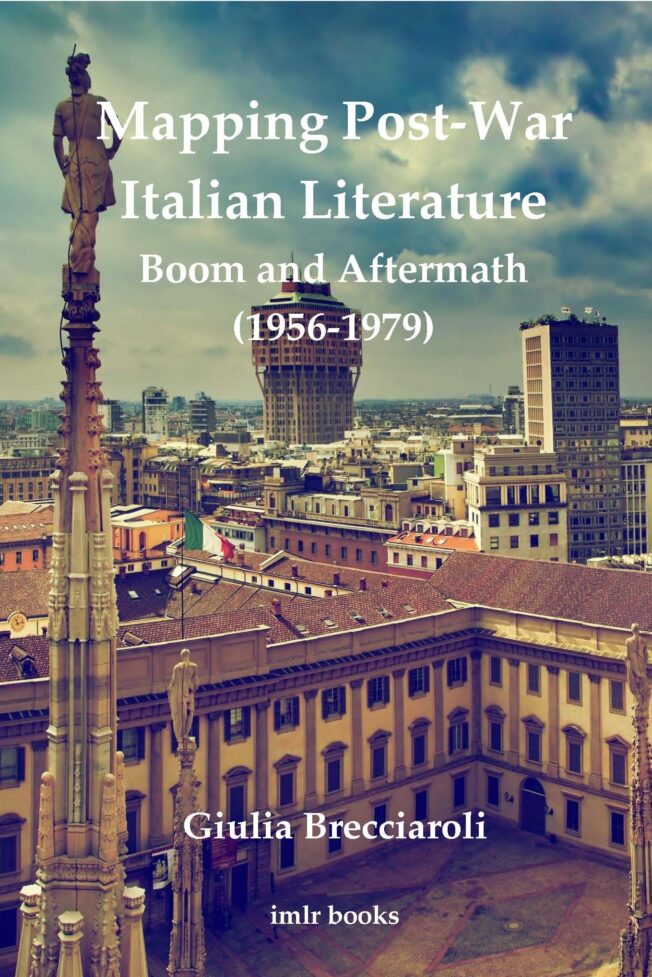

Mapping Post-War Italian Literature
Boom and Aftermath (1956–1979)
Giulia Brecciaroli (Author)

Series: imlr books
Published in association with: Institute of Languages, Cultures and Societies
In the aftermath of the reconstruction period immediately after the Second World War, Italy experienced an unprecedented and unexpected phase of economic development, which transformed it from a traditionally agrarian and impoverished country into one of Europe’s most industrialized nations. The idea, treasured to this day by many Italians, of this period as a sort of ‘golden age’ has increasingly been called into question by historical research that has delved into the deeper, persistent contradictions of Italian society at the time. Mapping Post-War Italian Literature embraces the boom years and their legacy, exploring the long-lasting impact of post-war Italy’s urbanization and modernization on the imagination of Italian writers. It does so by looking at how socio-spatial transformations affecting the main industrial cities of the North – Milan and Turin – as well as the provinces (a space generally deemed ‘peripheral’) and the national landscape have been conceptualized in contemporary novels and travel accounts. The selected texts cross genre boundaries and reflect an array of authorial positions, giving a compelling and multifaceted account of the post-war historical transition.
In this important contribution to Italian studies, Brecciaroli successfully puts heterogeneous literary sources and critical approaches in dialogue. … aware of the risks implied by a focus on an anomalous collection of writers, [Brecciaroli] demonstrates a courageous attempt to reveal the complexity of transitions in postwar Italian society and opens the doors to numerous research questions that, one hopes, future scholarship will continue and expand.
—Daniele Forlino, Southern Methodist University, Texas, USA
Italica
PDF: 9780854572854
EPUB: 9781915249678
Read Online: 9781915249784
Paperback: 9780854572847 / 244 pages / 229mm x 152mm
Giulia Brecciaroli (Author)
In this important contribution to Italian studies, Brecciaroli successfully puts heterogeneous literary sources and critical approaches in dialogue. … aware of the risks implied by a focus on an anomalous collection of writers, [Brecciaroli] demonstrates a courageous attempt to reveal the complexity of transitions in postwar Italian society and opens the doors to numerous research questions that, one hopes, future scholarship will continue and expand.
—Daniele Forlino, Southern Methodist University, Texas, USA
Italica
Subject: Languages, Cultures and Societies
BISAC codes: LIT004200
Thema codes: DSBH
Keywords: Italy, Milan, Reconstruction era, Second World War, Turin, economic development, genre, golden age, literary, urbanization, writers
EPUB accessibility:
Accessibility summary
EPUB Accessibility Specification 1.1
Table of contents navigation
Index navigation
Single logical reading order
Short alternative textual descriptions
Print-equivalent page numbering
Use of color is not sole means of conveying information
Next / Previous structural navigation
ARIA roles provided
Appearance of all textual content can be modified
All non-decorative content supports reading without sight
WCAG v2.2
WCAG level AA
Compliance certification by (name)
Read online accessibility:
Table of contents navigation
This publication generally has been produced to meet WCAG Level AA. Please let us know if you find anything inaccessible within our book as we continue improving our processes. You can contact us at uolp.accessibility@london.ac.uk.
More books in this subject area
Artificial Intelligence, Art and Indigeneity
Thea Pitman
Sandra De Berduccy
Andreas Rauh
17 September 2026

Postcards, Translators and Esperanto Pioneers
Guilherme Fians
Bernhard Struck
Claire Taylor
13 November 2025
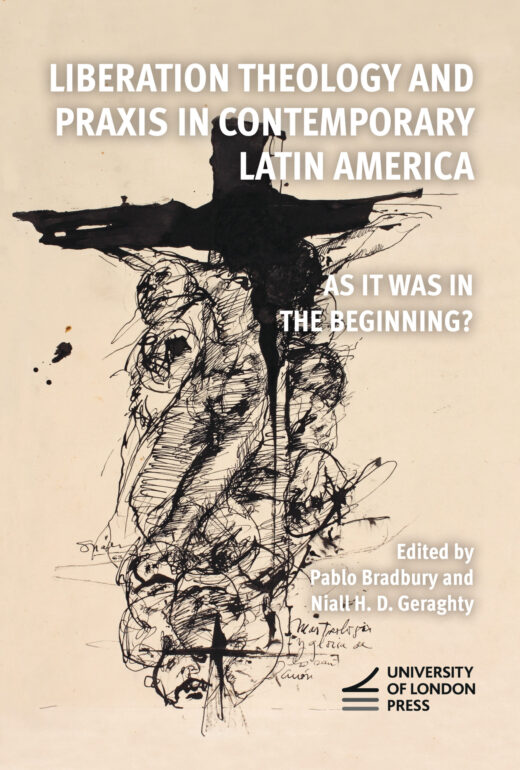
Liberation Theology and Praxis in Contemporary Latin America
Pablo Bradbury
Niall H.D. Geraghty
20 February 2025
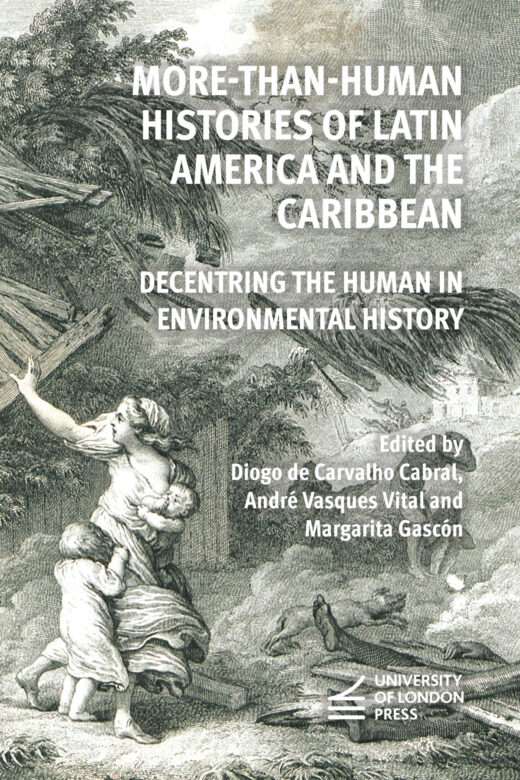
More-Than-Human Histories of Latin America and the Caribbean
Diogo de Carvalho Cabral
André Vasques Vital
Margarita Gascón
25 July 2024

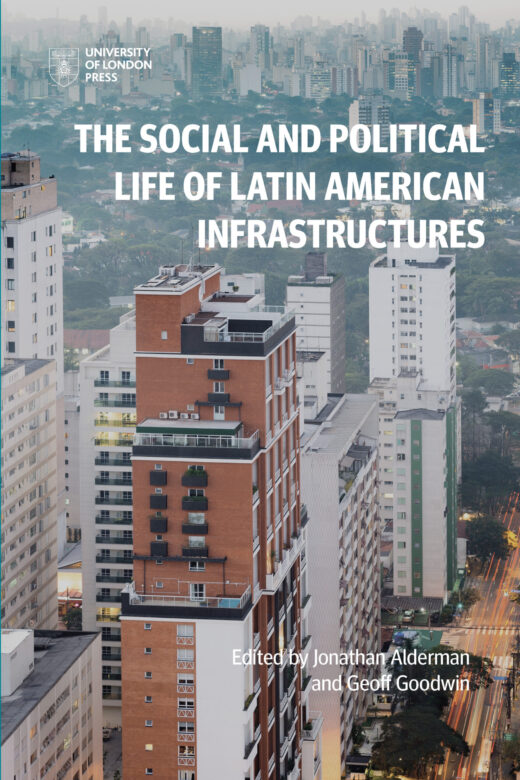
The Social and Political Life of Latin American Infrastructures
Jonathan Alderman
Geoff Goodwin
5 October 2022
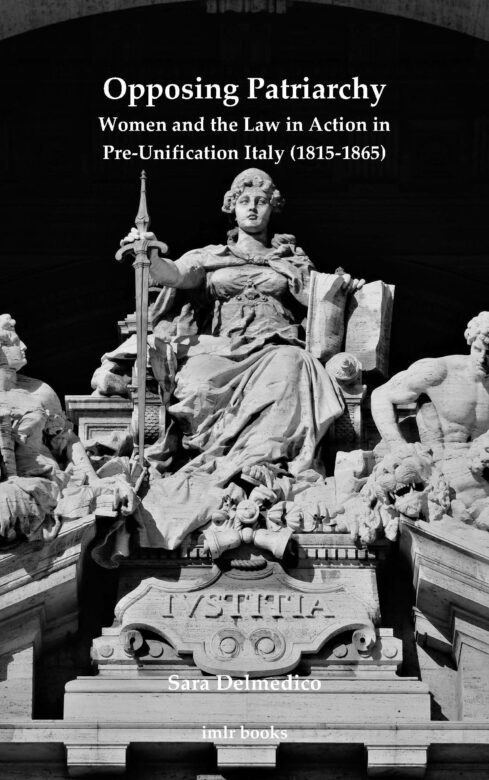
Opposing Patriarchy: Women and the Law in Action in Pre-Unification Italy (1815-1865)
Sara Delmedico
15 November 2021