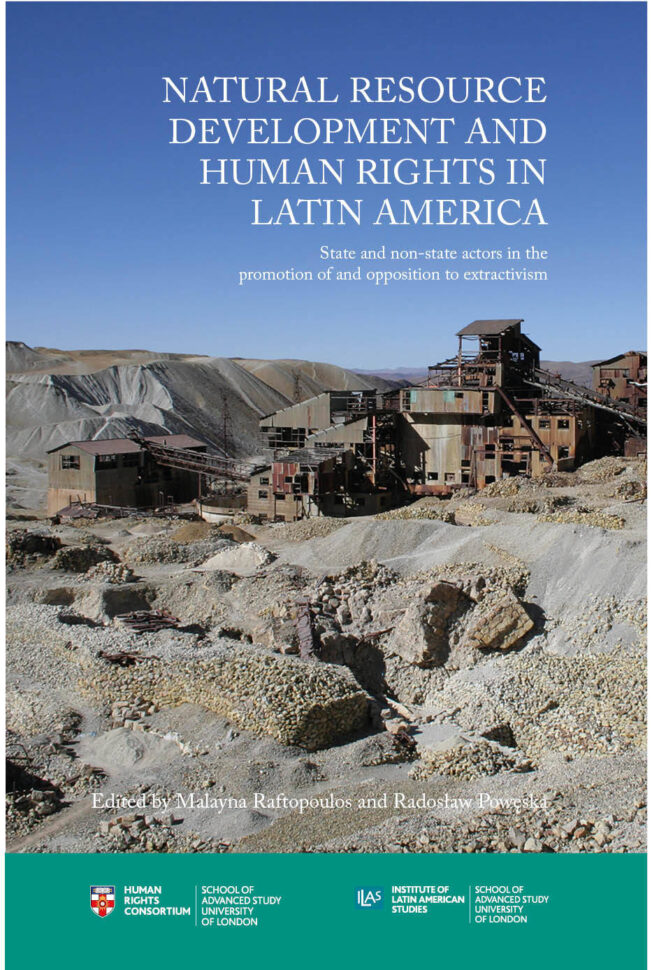

Natural Resource Development and Human Rights in Latin America
State and non-state actors in the promotion of and opposition to extractivism
Malayna Raftopoulos (Editor), Radosław Powęska (Editor)

Series: Critical Human Rights Studies
Published in association with: Institute of Commonwealth Studies
Contemporary development debates in Latin America are marked by the pursuit of economic growth, technological improvement and poverty reduction, and are overshadowed by growing concerns about the preservation of the environment and human rights. This collection’s multidisciplinary perspective links local, national, regional and transnational levels of inquiry into the interaction of state and non-state actors involved in promoting or opposing natural resource development. Taking this approach allows the book to contemplate the complex panorama of competing visions, concepts and interests grounded in the mutual influences and interdependencies which shape the contemporary arena of social-environmental conflicts in the region.
“This book offers an indispensable analysis of the as yet
little-researched intersection of social-environmental conflicts and human
rights in Latin America. The chapters offer rich and original case studies of
the role of state and non-state actors in these conflicts as well as the
relationship between humans and their natural environment”. Marieke Riethof,
University of Liverpool
Natural Resource Development and Human Rights in Latin America is a timely and noteworthy addition to the literature on the increasing awareness of the conflicts and violence stemming from the current wave and economic model of extractivism.
The book interweaves case studies throughout its theoretical analysis. It will be a helpful and valuable addition to my ‘development’ shelf. Martin Mowforth – University of Plymouth
1. Forces of resistance and human rights: deconstructing natural resource development in Latin America Malayna Raftopoulos and Radosław Powęska 2. Indigenous rights in the era of ‘indigenous state’: how interethnic conflicts and state appropriation of indigenous agenda hinder the challenge to extractivism in Bolivia Radosław Powęska 3. REDD+ and human rights in Latin America: addressing indigenous peoples’ concerns though the use of Human Rights Impact Assessments Malayna Raftopoulos 4. Violence in the actions of indigenous peoples from the Amazon region as a result of environmental conflicts Magdalena Krysińska-Kałużna 5. Neogeography, development and human rights in Latin America Doug Specht 6. From human rights to an urbanising environmental politics: understanding flood and landslide vulnerability in Brazil’s coastal mountains Robert Coates 7. Human rights and socio-environmental conflict in Nicaragua’s Grand Canal project Joanna Morley 8. Sustainable development, the politics of place and decoloniality: contradictory or complementary approaches to Latin American futures? Bogumila Lisocka-Jaegermann
PDF: 9781912250417
EPUB: 9781912250103
Paperback: 9781912250011 / 229mm x 152mm
Malayna Raftopoulos (Editor)
Radosław Powęska (Editor)
“This book offers an indispensable analysis of the as yet
little-researched intersection of social-environmental conflicts and human
rights in Latin America. The chapters offer rich and original case studies of
the role of state and non-state actors in these conflicts as well as the
relationship between humans and their natural environment”. Marieke Riethof,
University of Liverpool
Natural Resource Development and Human Rights in Latin America is a timely and noteworthy addition to the literature on the increasing awareness of the conflicts and violence stemming from the current wave and economic model of extractivism.
The book interweaves case studies throughout its theoretical analysis. It will be a helpful and valuable addition to my ‘development’ shelf. Martin Mowforth – University of Plymouth
Subject: Environmental Humanities, Languages, Cultures and Societies, Latin American and Caribbean Studies
BISAC codes: BUS099000, POL044000
Thema codes: JPVH, KCVG
Keywords: China, Grand Canal, Human Rights Impact Assessments, Nicaragua, REDD+, colonialism, decoloniality, eco-violence, ecology, environment, extractivism, floods, healing plants, human rights, indigenous people, landslides, natural environment, nature, neocolonialism, neogeography, rainforest, trees, urbanism, violence
More books in this subject area
Artificial Intelligence, Art and Indigeneity
Thea Pitman
Sandra De Berduccy
Andreas Rauh
17 September 2026




Postcards, Translators and Esperanto Pioneers
Guilherme Fians
Bernhard Struck
Claire Taylor
13 November 2025
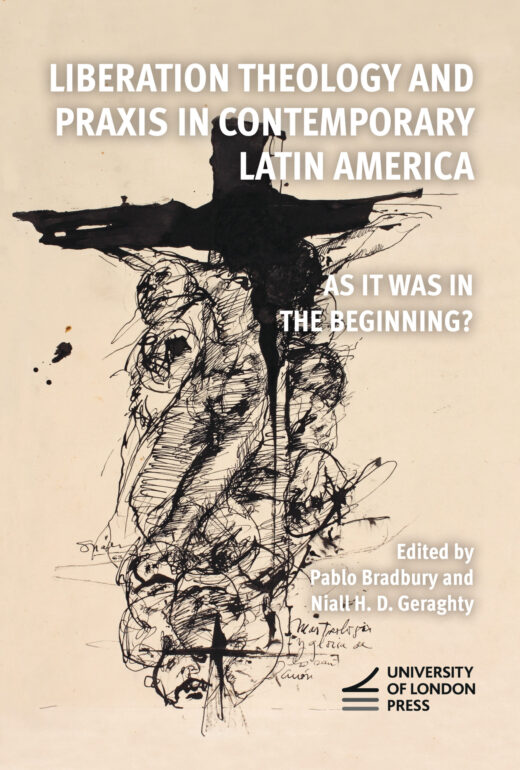
Liberation Theology and Praxis in Contemporary Latin America
Pablo Bradbury
Niall H.D. Geraghty
20 February 2025
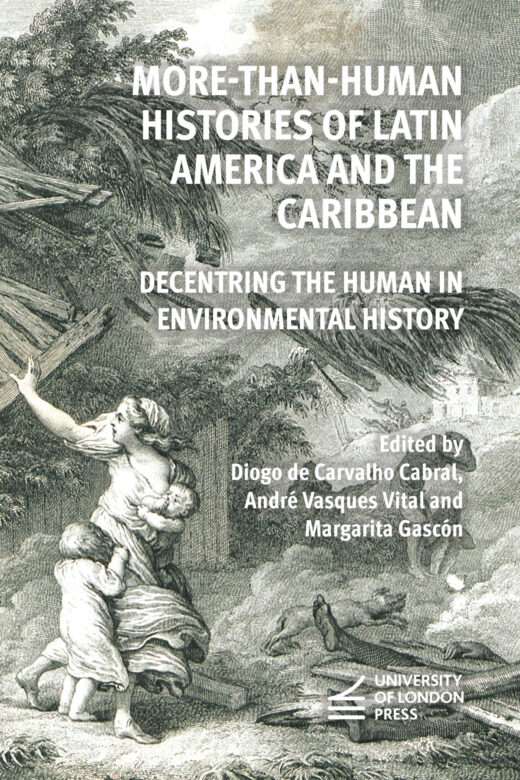
More-Than-Human Histories of Latin America and the Caribbean
Diogo de Carvalho Cabral
André Vasques Vital
Margarita Gascón
25 July 2024

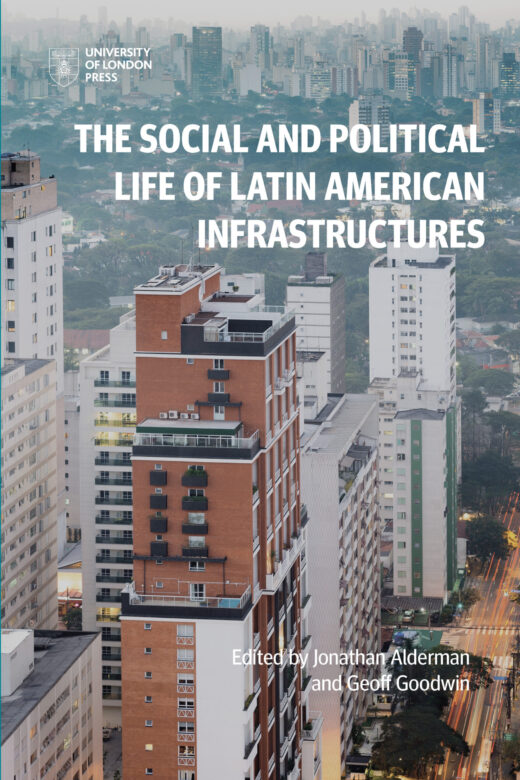
The Social and Political Life of Latin American Infrastructures
Jonathan Alderman
Geoff Goodwin
5 October 2022

Opposing Patriarchy: Women and the Law in Action in Pre-Unification Italy (1815-1865)
Sara Delmedico
15 November 2021